AI BUILDERS CLUB
VISION → REALITY
Speak to Khalid Saeed BSc — mentor & founder
📞 077 20 90 90 90
Real websites, apps & games — built with AI
Ages 10–16 · small groups, in person
No coding — they direct AI in plain words
Croydon studio · weekly 2-hour sessions
The Workshop

A workshop isn’t a room.
It’s a culture.

Comparing coding classes in Croydon and Sutton? We aren’t one — this is vibe coding, in person, two hours a week. Where your child builds, who they build beside, what a Tuesday evening actually looks like — and exactly what it costs. Everything, plainly.

📞 Ring Khalid — 077 20 90 90 90
Old Palace Road, Croydon · 2 hours a week · deliberately small groups
The room mid-session  two or three young builders at laptops, notes and sketches on the table, mentor leaning
images/workshop-room.jpg
portrait 4:5 · min 900×1125px

A room where building is normal makes building feel normal.

What you’re really walking into

Nobody sits in rows.

Picture a room of young people who all came here because they wanted to make something. They talk. They show each other what they’ve got working. They ask each other for help, and they give it. Someone gets stuck, says so out loud, and three people lean over.

And moving between them — not standing at the front — is a builder. Sitting down beside one, then another. Brainstorming an idea that isn’t working yet. Turning something that looks impossibly technical into three steps a thirteen-year-old can actually take. Knowing, from having done it himself, which route is the short one.

A room of people making things
changes what a child believes is possible.

Because when the person next to you gets their thing working, you want yours to work too. That’s not something a curriculum can manufacture. It only happens when builders are put in a room together.

You are the average of the five people you spend the most time with.
Jim Rohn
Two hours, once a week

Most of building isn’t building.

This surprises almost every parent, and it’s the single most important thing to understand about how we work.

The typing is the easy part — AI does that in seconds. The hard part, and the valuable part, is deciding what to make and how it should work. So that is where most of the time goes.

Roughly two thirds — thinking

Talking ideas through. Sketching. Arguing with a plan until it’s right. Working out what to do next, and why.

The rest — making

Directing AI, testing what comes back, fixing what broke.

Pen and paper. Sketching tools like Excalidraw. Notes that build up across the weeks into a proper record of how their thinking developed. Sometimes we stop and talk as a group about something everyone needs.

And sometimes they get up and play a game for ten minutes, because that is what actually happens in the places where things get built. There’s no formal structure, because a labour of love doesn’t need one.

There’s no homework. There never will be.
Keen builders carry on at home anyway — because it’s theirs.
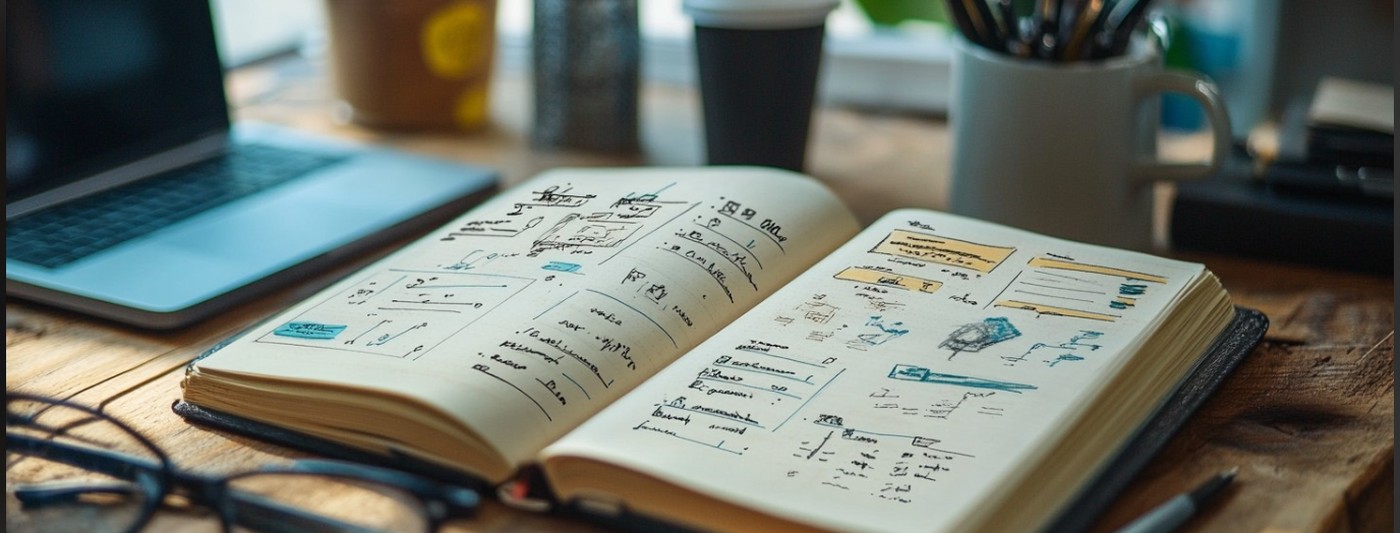
Sketches, notes and a laptop on the table  the thinking half of the work made visible
images/workshop-whiteboard.jpg
21:8 · min 1400×540px

Talent is common. Sitting beside someone who has actually done it is not.

The practical details

Where, when, and what to bring.

Where

Old Palace Road, Croydon town centre — easy for families in Croydon, South Croydon, Sutton, Purley, Coulsdon and Selsdon. A modern, bright room — the same studio where local children have been taught for over a decade.

Parking

Easy drop-off and pick-up. You can wait in the car. No tickets, no hunting for a space.

When

Two hours, once a week. Weekday late afternoon or evening, or a weekend slot — we set the times with the first families.

Through the year

We run through half terms and holidays. Builds keep their momentum.

Group size

Deliberately small. Small enough that Khalid knows what every child is building. Beyond that an assistant joins, so nobody gets less attention.

What to bring

A laptop, and an idea. It needs to be one they can work on comfortably and that can run AI tools — we’ll check the spec with you before you start.

Missing a week

You don’t pay for it. Their project simply waits for them — which is usually motivation enough on its own.

Supervision

Khalid is never alone with a child. Sessions always run as a group.

Notes, sketches and a laptop — the thinking half of the work
images/workshop-notebook.jpg
Notes, sketches and a laptop — the thinking half of the work
I hear and I forget. I do and I understand.
Confucius
What it costs

£35 a week. Nothing upfront. Leave whenever you like.

We’ve deliberately made this as easy to say yes to as we can, because we’d rather you judged us on what your child builds than on what you’ve already paid.

£35per 2-hour session
Discounts apply if your child comes with a friend, if a sibling joins, or if you introduce another family.
Bring a friendYou both pay less — and nobody walks into a room of strangers.
SiblingsA reduced rate each, for as long as they’re both building.
Introduce a familyIf they join, there’s a thank-you off your rate.
  • Nothing upfront. You pay week by week, never in blocks.
  • Stop whenever you want. No notice period, no term commitment, no awkward conversation.
  • Miss a session, don’t pay for it. Simple as that.
  • Everything else is provided. AI accounts, storage, hosting, food and drink — all included.
The only thing you’re committing to is next week.

How long does a build take? Honestly, it depends on what your child chooses. Most first builds take somewhere between ten and fifteen weeks. We’ll give you a straight estimate at the Discovery Meeting, once we know what they want to make — and because you pay weekly, nothing rests on that estimate being exact.

Discounts don’t stack — we’ll work out the best rate for your family at the Discovery Meeting.

Two hours a week beside a builder beats a year of reading about building.

What’s provided

Parents pay for nothing extra — and sign up for nothing.

No subscriptions to buy. No accounts to set up in your name. No hidden costs waiting three weeks in.

The AI toolsPaid accounts, provided by the club and used under supervision.
Storage for their workSo they can pick it up at home during the week.
Hosting, when it’s finishedA real address on the internet that friends and family can visit.
Food and drinkBecause two hours is a long time for a teenager.

Your child brings a laptop and an idea. We bring everything else.

Belonging is not being liked. It is being somewhere your strangeness is ordinary.

And at the end of it

It goes live. And it’s theirs.

When a build is finished it gets hosted properly — a real address your child can send to grandparents, to friends, to anyone. Not a file on a laptop. A thing that exists.

They keep it. They keep the notes, the sketches, the design file, and every version along the way. They built it, so it belongs to them — and it goes with them whenever they leave.

Along the way, your child can record a short video each month showing you what they’ve made and what broke. And at the end of the year, we’d like to get the families together so the builders can show you what they did.

How to join

There’s no sales pitch. There’s a conversation.

I’ve never been a salesman and I’m not about to start. Come and see the place, ask me anything you like, and decide afterwards.

1

Come to a free Discovery Meeting

You and your child together. See the studio, hear exactly how it works, and bring their ideas — we’ll talk through what they could build and how it would actually happen. Ask every question you have, including the awkward ones.

2

If you want in, we start

We agree a session time that works for your family, and your child begins the following week. There’s nothing to sign up to and nothing to pay in advance.

3

One consent form

A short parental consent form for your child’s supervised use of the AI tools. That’s the only paperwork there is.

The part nobody advertises

Most children who build have never met another child who builds.

They are the one in their year who makes things. At school that can be a lonely position — interesting to nobody, slightly odd to everybody. Then they walk into a room where it is the normal thing to be.

They see what somebody else is making. Somebody asks what they’re working on and actually wants the answer. An idea gets stolen, improved and handed back. For some children this turns out to matter more than the build did.

Questions parents ask

The things you’re probably wondering.

Does my child need to know how to code?

No. They describe what they want in plain English and direct the AI to build it. There is no syntax to learn and no experience assumed.

What if they’ve never made anything like this before?

That is the normal starting point. The first session is about deciding what they want to build, not about technology.

Does my child need to be techy, or good at maths?

No. This is not a class for children who are already good with computers. Plenty of the young people who take to it fastest are the ones who were never told they were the clever one. What it asks for is an idea and the patience to see it through.

What is vibe coding?

Vibe coding means describing what you want in plain English and directing an AI to build it, instead of writing the code yourself. Your child says what the page should do; the AI writes it; your child reads it, tests it, and asks for changes until it works. It is how a great deal of real software is now made.

If the AI writes the code, is my child really learning anything?

It is the fair question, and the honest answer is that it depends entirely on how it is taught. A child who accepts whatever appears on screen learns very little. A child who plans the thing first, reads what came back, works out why it broke and asks for the right change is learning to think clearly, break problems down and persist. That is what we teach, and it is why two thirds of a session is thinking rather than typing.

Is this a coding class?

No. Coding classes teach a skill AI now does in seconds. We teach the skill underneath it: knowing what to build, describing it precisely, and pushing through until it works.

What does it cost?

£35 per two-hour session, paid week by week. Nothing upfront. Discounts for siblings, for bringing a friend, and for introducing another family.

What if it isn’t right for us?

Leave whenever you like. The only thing you are ever committed to is next week.

What if we miss a session?

You don’t pay for it. Your child’s project simply waits for them.

How long does a build take?

Most first builds take between ten and fifteen weeks. We’ll give you a straight estimate once we know what your child wants to make.

Is there homework?

None. Most keep building at home anyway, because they want to — but nothing is ever set.

What does my child need to bring?

A laptop capable of running AI tools, and an idea. We’ll check the spec with you before you start.

Do we have to pay for AI subscriptions?

No. The club covers those. Storage, hosting, food and drink are provided too.

Where is it, and what about parking?

Old Palace Road, Croydon town centre. Easy drop-off and pick-up — you can wait in the car, and there are no tickets to worry about.

Who is with my child?

Khalid, alongside a small group of other young builders. He is never alone with a child — sessions always run as a group. An enhanced DBS check has been applied for and we are waiting on the certificate; you are welcome to ask about it at the meeting.

What happens to what they make?

It is theirs. It stays hosted online free of charge, so they can send the link to anyone they like.

How do we start?

Come to a free Discovery Meeting. Every question answered, nothing sold. If it feels right, you start.
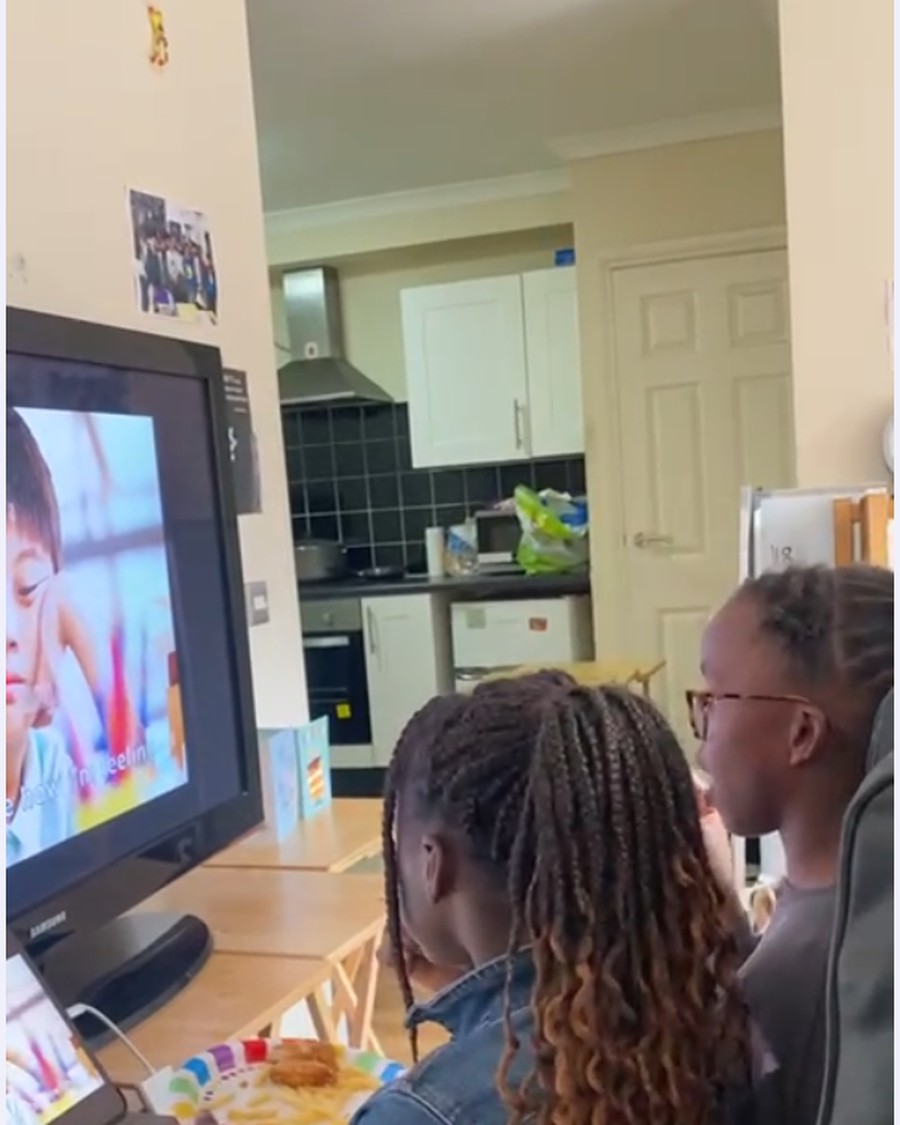
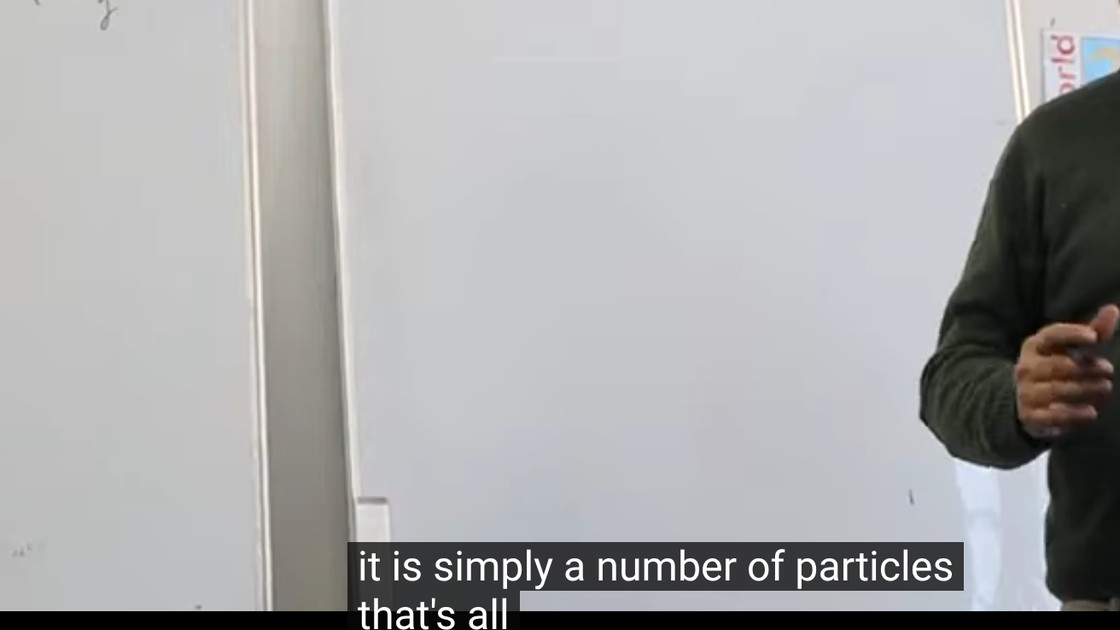
Come and see for yourself

Bring your child to a free Discovery Meeting.

Sit down with Khalid, see the studio, and find out exactly how the club works. Best of all — bring your child’s ideas. If they’ve already landed on one, mention it when you ring and I’ll have thought about how we’d build it before you arrive.

It’s relaxed, it’s free, and there’s no obligation at the end of it. Most families leave simply knowing a lot more than when they arrived.

Prefer to talk first? Ring Khalid — he’ll answer every question you have, honestly and in plain English. Ask him anything. Rather write? Email hello@aibuildersclub.co.uk.

Croydon studio · Ages 10–16 · Small groups, limited spaces

Khalid Saeed BSc, mentor and founder
↑ Back to top

AI Builders Club · Croydon, London · 077 20 90 90 90 · hello@aibuildersclub.co.uk